Fiber Reinforced Plastics: The 1 Set Ultimate Guide to FRP Composites
In the search for lighter, stronger, and more durable engineering materials, the manufacturing and construction industries are experiencing a massive paradigm shift. Traditional materials like steel, aluminum, and concrete are increasingly being replaced by fiber reinforced plastics (FRP).
Whether in the fuselage of the latest commercial spacecraft, the blades of massive offshore wind turbines, or the structural rebars of coastal bridges, FRP is proving to be the high-performance cornerstone of modern infrastructure and industrial design.
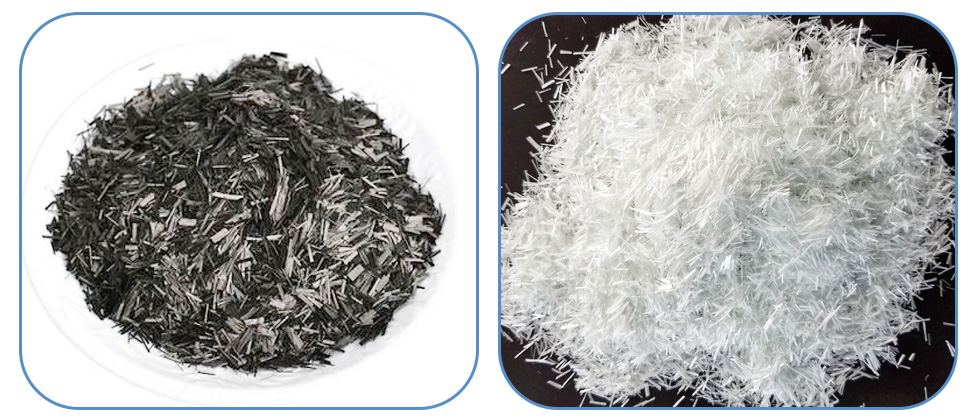
What Are Fiber Reinforced Plastics (FRP)?
Fiber reinforced plastics (FRP) are composite materials made of a polymer matrix reinforced with high-strength fibers.
To understand FRP, think of it as a synergistic partnership where the combination of two different materials yields properties far superior to those of the individual components alone:
- The Reinforcement (Fibers): These provide the strength and stiffness. The fibers carry the structural load and are typically made of glass, carbon, or aramid.
- The Matrix (Polymer/Resin): Crucial for holding the reinforcing fibers in their orderly positions, the polymer matrix transfers external loads between fibers and protects them from mechanical damage and environmental hazards (moisture, chemicals, UV radiation).
The Anatomy of FRP: Fiber Types & Polymer Matrices
1. Common Types of Reinforcing Fibers
- Glass Fibers (GFRP): By far the most popular and cost-effective fiber type. Glass fiber reinforced plastic offers excellent electrical insulation, solid mechanical properties, and remarkable corrosion resistance.
- Carbon Fibers (CFRP): Famous for its usage in aerospace and supercar manufacturing, CFRP offers an extremely high strength-to-weight ratio and rigidity. It is lighter than glass fiber but comes at a higher price point.
- Aramid Fibers (AFRP / Kevlar): Best known for high impact resistance, tensile strength, and thermal stability. AFRP is widely utilized in military armor, ballistics, and wear-resistant applications.
2. The Polymer Matrix Options
- Thermosetting Resins: Once cured (hardened via heat or catalysts), thermoset plastics cannot be remelted. Common options include polyester (cost-effective, general-purpose), vinyl ester (highly corrosion-resistant), and epoxy (maximum strength and adhesion).
- Thermoplastics: These polymers can be melted, reshaped, and cooled repeatedly (e.g., nylon, polypropylene, PEEK). They are growing in popularity due to their superior recyclability and impact tolerance.
For the above polymer materials and fiber composites, we provide engineering plastic extruder production lines, formulas, and technical guidance, including installation and training.
Why Choose Fiber Reinforced Plastics? Key Benefits
What makes fiber-reinforced plastics the go-to alternative to structural metals? Here are the primary engineering advantages driving their rapid adoption:
1. Exceptional Strength-to-Weight Ratio
FRP materials can match or exceed the tensile strength of structural metals like steel while weighing up to 75% less. This weight reduction cuts down transportation costs, facilitates easier installation, and dramatically improves the fuel efficiency of aircraft and automobiles.
2. Unmatched Corrosion and Chemical Resistance
Unlike steel, which rusts in salty environments, or concrete, which degrades from chemical exposure, FRP does not corrode. This makes it the material of choice for marine vessels, wastewater treatment plants, chemical storage tanks, and offshore oil rigs.
3. Excellent Design Flexibility
Traditional metals are constrained by machining, welding, and bending limits. FRP, on the other hand, can be molded into incredibly complex, seamless, and aerodynamic shapes during manufacture. This consolidation reduces the need for joint fasteners, which are historically the weakest points in any structural assembly.
4. Non-Conductive and Electromagnetic Transparency
GFRP composites do not conduct electricity or interfere with electromagnetic fields. This makes them ideal for housing sensitive electronic equipment, telecommunications infrastructure (including 5G antennas), and high-voltage utility poles.
In Conclusion: Scaling Your Business with FRP
Due to its incredible weight-saving, anti-corrosive, and high-strength attributes, fiber reinforced plastics are no longer just niche aerospace materials—they are the future of structural engineering.
To boost your project’s durability while minimizing lifetime maintenance costs, integrating FRP technology is one of the smartest engineering decisions you can make.
Do you need customized FRP design solutions or raw materials for your next project?
Contact our team of experienced material experts today to get a quote and find out which composites will best drive your business forward.
Remarque : Renowned carbon fiber manufacturer