Customized Processing of Screw for Injection Molding Machine: A Guide Plasticizing
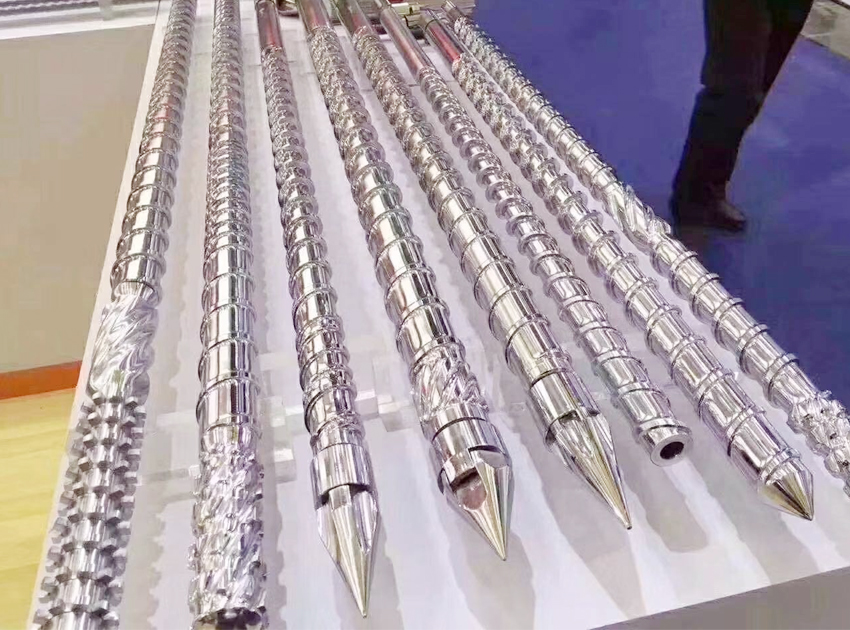
Customized processing of screw for injection molding machine units has emerged as the gold standard for processors looking to reduce cycle times, minimize scrap rates, and extend equipment lifespan. This article explores the technical nuances of custom screw manufacturing and why specialized processing is the ultimate ROI for modern molders.
In the competitive world of plastic injection molding, the “heart” of the machine—the screw and barrel—dictates the efficiency, quality, and profitability of the entire production line. As manufacturers move toward increasingly abrasive and corrosive resins, standard off-the-shelf screws are no longer sufficient.
Why Invest in Customized Screw Processing?
Standard screws are designed for “general-purpose” use, which often means they are mediocre at everything. Customized processing allows you to tailor the hardware to your specific material chemistry and production goals.
1. Material-Specific Geometry
Different polymers behave differently under heat and shear.
- PC/PMMA (Optical Parts): Requires a screw with low shear and excellent venting to prevent yellowing or bubbles.
- PA66 + Glass Fiber: Requires specialized “barrier” flights and high-hardness coatings to resist the abrasive nature of glass reinforcement.
- PVC : Demands a specialized chrome-plated or stainless steel finish to prevent hydrochloric acid corrosion during processing.
2. Enhanced Plasticizing Efficiency
Customized screw designs, such as barrier screws ou mixing head attachments (Maddock/Pineier), ensure a more homogeneous melt. This leads to better color dispersion and more consistent part weights, even at high speeds.
Key Technologies in Customized Screw Processing
When ordering a custom screw, the processing technique used for the surface and base metal is the most critical decision.
A. Bimetallic Casting (The Premium Choice)
Bimetallic processing involves centrifugally casting a layer of high-performance alloy (usually tungsten carbide or cobalt-based) onto the flight tops or the entire screw surface.
- Benefit: Offers up to 5x the lifespan of standard nitrided screws when processing 30%+ glass-filled materials.
B. Advanced Nitriding & Plasma Nitriding
This is the most common customized processing method. The screw (usually made of 38CrMoAlA) undergoes a long-duration gas nitriding process to create a hard, wear-resistant “skin.”
- Surface Hardness: Typically ranges from HV900 to HV1050.
C. High-Velocity Oxygen Fuel (HVOF) Spraying
For extreme environments, HVOF allows for a dense, ultra-hard ceramic or metallic coating to be applied to the screw. This is often used in specialized medical or aerospace molding where material purity is paramount.
The Customization Process: From CAD to Machine
A professional customized processing of screw for injection molding machine service follows a rigorous engineering path:
- Application Audit: Analyzing the resin (melt flow index, filler content) and the machine’s clamping force.
- Geometry Simulation: Using CAE software to simulate the flow and thermal profile of the polymer within the custom screw flights.
- Precision Machining: CNC milling of the screw profiles followed by specialized heat treatment.
- Finish Polishing: Mirror-finishing (Ra < 0.2μm) to ensure easy color changes and prevent material stagnation.
Customized Screw vs. Standard Screw Comparison
| Feature | Standard “Off-the-Shelf” Screw | Customized Processed Screw |
| Material | Nitrided 38CrMoAlA | Bimetallic Alloy / Tool Steel |
| Wear Life | 6–12 months (with fillers) | 24–48 months (with fillers) |
| Cycle Time | Standard | Optimized (5–15% reduction) |
| Compatibility | General Purpose | Specialized (PET, PVC, PEEK, etc.) |
| Initial Cost | Faible | Medium to High |
Conclusion: Future-Proofing Your Molding Shop
As the industry shifts toward sustainable bioplastics and recycled “regrind” materials, the demands on the plasticizing unit are changing. Customized processing of screw for injection molding machine components is no longer a luxury—it is a technical necessity.
By investing in specialized metallurgy and tailored geometries, manufacturers can achieve a level of precision and durability that standard components simply cannot match.
Do You Need a Custom Screw Solution for Your Injection Molding Machine?
We specialize in the customized processing of screws and barrels for all major injection molding brands.
Whether you are dealing with high-wear glass fibers or corrosive flame retardants, our engineers can design a bimetallic solution tailored to your needs. Contact us today for a technical consultation!