Biodegradable Plastic Polymers: Ultimate Guide to Eco-Friendly Polymer Solutions
The modern world is facing an ecological turning point. Traditional petroleum-based plastics have enabled unprecedented industrial growth, but their legacy is a staggering global pollution crisis. Millions of tons of persistent microplastics now contaminate our oceans, soil, and food supply.
In response, a massive wave of innovation is sweeping through the material sciences, centered on biodegradable plastic polymers.
No longer just an experimental niche, biodegradable plastics are rapidly scaling across agriculture, food packaging, electronics, and consumer goods. This comprehensive guide details the science, types, industrial benefits, and challenges of biodegradable plastic—the material designed to return to nature.
What are biodegradable plastic polymers?
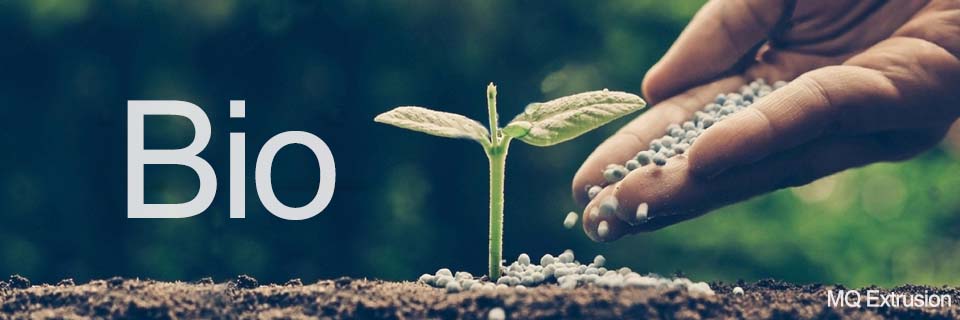
Biodegradable plastic polymers refer to a class of polymers that can be completely broken down by natural biological agents—such as bacteria, fungi, and algae—into water, carbon dioxide, and biomass (compost) under specific environmental conditions.
Unlike traditional plastics (like PE, PP, and PET), which merely fragment into smaller, hazardous microplastics over hundreds of years, true biodegradable plastics leave no toxic residues behind.
The Critical Confusion: Bio-Based vs. Biodegradable vs. Compostable
To understand the market, we must clarify three terms that are often confusingly lumped together:
- Bio-Based Plastics: Materials made from renewable biological resources (like cornstarch or sugarcane) instead of fossil fuels. Remarque : Not all bio-based plastics are biodegradable (e.g., bio-PET behaves exactly like petroleum-PET).
- Biodegradable plastic polymers: Materials that degrade through biological action. They can be made from bio-based feedstocks OR petroleum-based feedstocks engineered to degrade.
- Compostable Plastics: A subset of biodegradable plastics. They degrade under specific composting conditions within a set timeframe (usually 90–180 days), leaving no toxic visual or chemical traces.
The Leading Types of Biodegradable Plastics
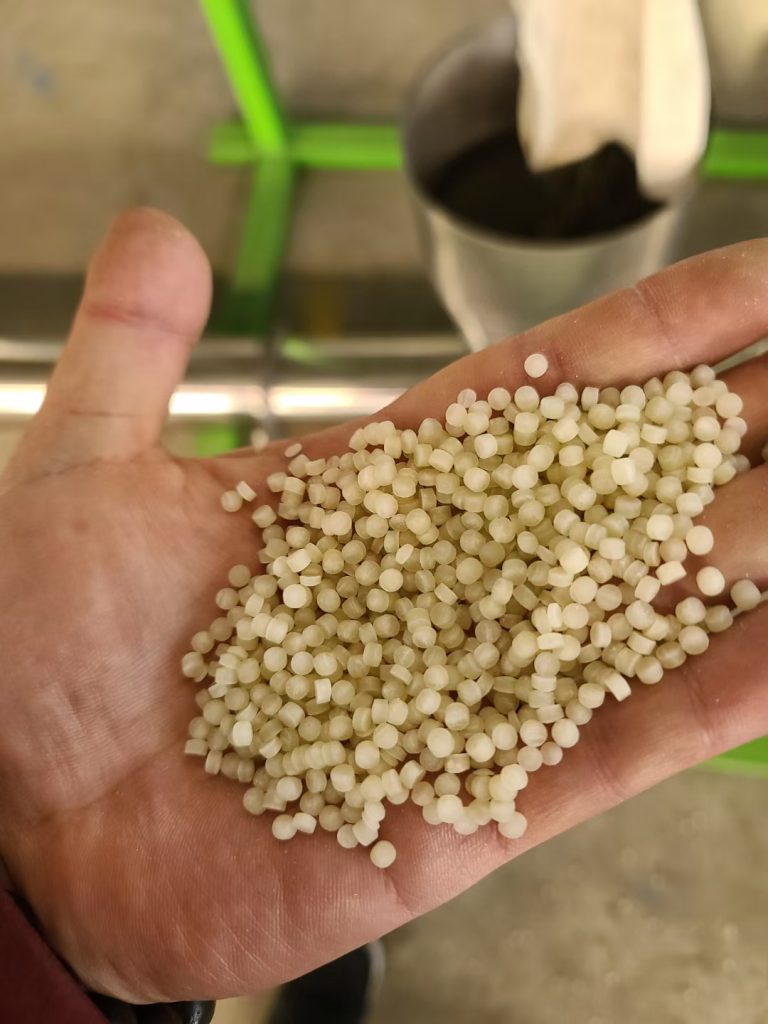
Today’s manufacturers use several highly advanced biodegradable polymers, each offering unique strengths for different injection molding and extrusion applications:
1. PLA (Polylactic Acid)
Derived from fermented plant starch (primarily corn, cassava, or sugarcane), PLA is the most widely produced biodegradable plastic in the world. It is highly rigid, boasts excellent clarity, and is highly printable. It is widely used for:
- 3D printing filaments
- Clear food containers and cold-drink cups
- Straws and disposable cutlery
2. PHA (Polyhydroxyalkanoates)
PHAs are naturally synthesized by bacteria through the fermentation of sugars or lipids. PHA is exceptionally biocompatible and, crucially, marine-degradable. It breaks down naturally in ocean water without needing artificial heat, making it the holy grail for marine-safe packaging:
- Single-use food wrappers
- Agricultural mulching films
- Medical sutures and implants
3. PBS (Polybutylene Succinate)
PBS is a highly biodegradable aliphatic polyester possessing a high melting point and excellent thermal resistance. It offers properties similar to polypropylene (PP), making it highly suitable for hot-beverage cups, cosmetic packaging, and civil engineering geotextiles.
Comparing Materials: Traditional vs. Biodegradable Plastics
| Material Property | Traditional Plastics (PET / PE) | Polylactic Acid (PLA) | Polyhydroxyalkanoates (PHA) |
| Primary Source | Petroleum (Fossil Fuels) | Plants (Corn, Sugarcane) | Bacterial Fermentation |
| Industrial Biodegradability | No (Takes 400+ years) | Yes (In industrial compost facilities) | Yes (Highly degradable) |
| Marine/Soil Degradability | No | Very Slow | Yes (Highly degradable in nature) |
| Key Mechanical Profile | Flexible, impact-resistant | Brittle, highly rigid | Flexible to highly elastic |
| Typical Carbon Footprint | Élevé | Low ( lower emissions) | Exceptionally Low (Carbon-neutral potential) |
The Environmental and Business Advantages of Switching
Why are businesses globally swapping out conventional polymers for biodegradable plastics? The incentives span environmental, consumer, and regulatory landscapes:
1. Drastic Carbon Footprint Reductions
Manufacturing biodegradable plastics from crops absorbs carbon dioxide from the atmosphere during the plant growth phase. Transitioning to PLA or PHA can cut down greenhouse gas emissions by up to 75% compared to petroleum counterparts.
2. Diversion from Landfills
When combined with organic waste collection systems, compostable and biodegradable plastic packaging can be diverted directly to municipal composting streams. This completely bypasses landfills and helps convert rubbish into nutrient-rich fertilizers for agriculture.
3. Rising Eco-Conscious Consumer Demand
Modern consumers are actively voting with their wallets. Brands that adopt biodegradable packaging see dramatic improvements in brand loyalty, as sustainability has become a top-tier purchasing criterion for Millennial and Gen Z demographics.
4. Meeting Regulatory Mandates
Governments worldwide are passing aggressive bans on single-use plastics. From the European Union’s Single-Use Plastics Directive to nationwide regulations across North America and Asia, adopting biodegradable alternatives ensures future-proof product compliance.
Addressing Current Obstacles in the Industry
While biodegradable plastic holds immense promise, the industry must overcome several systemic hurdles to achieve optimization:
- Infrastructure Gaps: Most biodegradable plastics (like PLA) require the heat and microbial density of industrial composting facilities to break down quickly. If they end up in ordinary landfills lacking oxygen, they will degrade very slowly.
- Recycling Stream Sorting: Biodegradable plastics should not be mixed with traditional PET/PP recycling streams, as they can contaminate the recycled plastic batches. Clear consumer education and automated infrared optical sorting at recycling centers are vital.
- Production Costs: Currently, materials like PHA are more expensive to produce than subsidized fossil-fuel plastics. However, as scaling production capacity ramps up, costs are rapidly approaching parity.
Conclusion: Aligning Your Brand with a Circular Economy
The development of biodegradable plastic polymers is not a passing trend—it is a fundamental restructuring of plastics manufacturing. By investing in renewable raw materials, optimizing biodegradation streams, and implementing compostable designs, businesses can step away from linear “take-make-waste” models and embrace the high-return future of the circular economy.
Are you ready to transition your packaging or manufacturing process to sustainable polymers?
Connect with our materials science consulting team today to explore custom biodegradable plastic polymers formulations and discover how we can help green-certify your supply chain.
Note: The article is based on:Green Chemistry & Sustainable Material Science Digest