Plastic Granulator: The Essential Technology for Efficient Plastic Recycling
In the modern manufacturing landscape, waste is no longer seen as a liability—it is a valuable resource. At the center of this transformation is the plastic granulator. Whether you are a small injection molding shop looking to reuse your sprues or a large-scale recycling facility processing tons of post-consumer waste, a high-quality plastic granulator is the foundational tool for efficient size reduction and material recovery.
As sustainability mandates tighten globally, the technology behind the plastic granulator has evolved to be quieter, more energy-efficient, and capable of producing a more consistent regrind than ever before.
What is a Plastic Granulator?
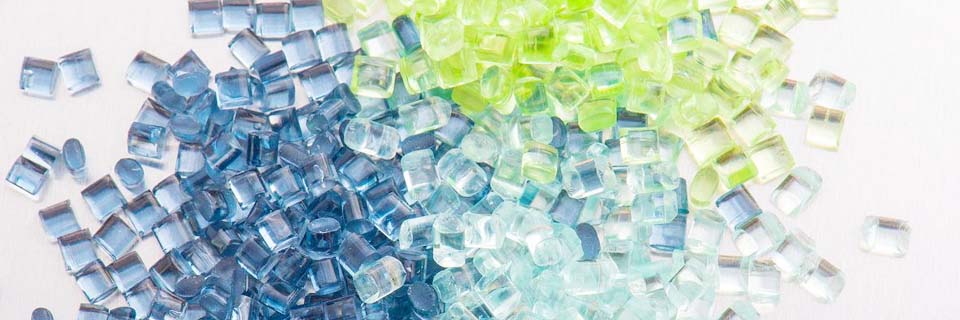
A plastic granulator is a machine used to break down plastic products—such as bottles, pipes, film, and moldings—into small, uniform flakes or “regrind.” Unlike a primary shredder, which handles large, bulky items, a granulator is designed for precision size reduction, producing a material that can often be fed directly back into an extruder or injection molding machine.
Key Components of a Plastic Granulator
Understanding the anatomy of a plastic granulator helps in selecting the right unit for your specific material:
- The Rotor: The heart of the machine. Rotors come in various designs (open, staggered, or solid) depending on whether you are crushing thin film or heavy-walled blocks.
- Knives/Blades: High-speed rotating blades work against stationary bed knives to shear the plastic. High-quality granulators use D2 or DC53 steel for maximum durability.
- The Screen: Located under the rotor, the screen size determines the final dimension of the regrind. You can swap screens to produce different flake sizes (e.g., 6mm, 8mm, or 12mm).
- Hopper and Sound Enclosure: Modern granulators feature sound-dampened hoppers to reduce the noise levels common in crushing operations.
Types of Plastic Granulators for Different Applications
To achieve the best results, you must match the plastic granulator to the type of scrap you are processing:
1. Beside-the-Press Granulators
These are compact units designed to sit next to an injection molding machine. They catch sprues and runners immediately, grinding them for instant re-introduction into the production cycle, minimizing contamination.
2. Centralized Granulators
Large-scale machines designed to handle scrap from an entire factory. These are high-horsepower units capable of processing large volumes of thick-walled parts, crates, and purgings.
3. Film and Sheet Granulators
Specifically engineered with specialized rotor designs to prevent light materials (like PE film or PET sheets) from wrapping around the shaft or floating in the cutting chamber.
Plastic Granulator Selection Guide
| Feature | Small/Lab Granulator | Standard Industrial | Heavy-Duty Crusher |
| Typical Motor Power | 2 – 5 HP | 10 – 50 HP | 75 – 200+ HP |
| Throughput (kg/h) | 10 – 50 | 100 – 600 | 800 – 2,000+ |
| Best For | Sprues & Runners | Bottles, Packaging | Large Pipes, Purgings |
| Blade Type | Staggered | Open or Solid | V-Shape / Cross-Cut |
Benefits of Integrating a High-Quality Granulator
Investing in a premium plastic granulator offers several competitive advantages:
- Uniform Regrind Quality: Consistent particle size ensures even melting in the next production stage, reducing “black spots” or structural weaknesses in the final product.
- Reduced Dust: Advanced blade angles minimize the creation of “fines” (dust), which can be a fire hazard and lead to material waste.
- Energy Efficiency: Modern motors and optimized cutting geometry allow for higher throughput with lower kilowatt-hour consumption.
Maintenance for Peak Performance
To keep your plastic granulator running at maximum efficiency, follow these maintenance essentials:
- Blade Sharpening: Dull blades tear the plastic rather than cutting it, which increases heat, dust, and energy consumption.
- Screen Inspection: Check for wear or clogs regularly to ensure consistent throughput.
- Bearing Lubrication: High-speed rotors generate heat; proper lubrication is critical for preventing mechanical failure.
Conclusion: Closing the Loop
The plastic granulator is more than just a piece of machinery; it is an essential component of a sustainable business model. By converting production scrap into high-quality regrind, manufacturers can significantly reduce material costs and their environmental footprint simultaneously.
In an era where “Circular Economy” is a requirement rather than a choice, the right granulator is the key to turning waste back into wealth.
Are you looking for a robust, high-efficiency plastic granulator for your facility?
Our technical team provides a full range of size reduction solutions, from beside-the-press units to heavy-duty centralized crushers. Contact us today for a technical consultation and find the perfect granulator for your recycling needs!
Note: The article is based on:Green Tech & Industrial Recycling Journal