Recycling Process And Technology
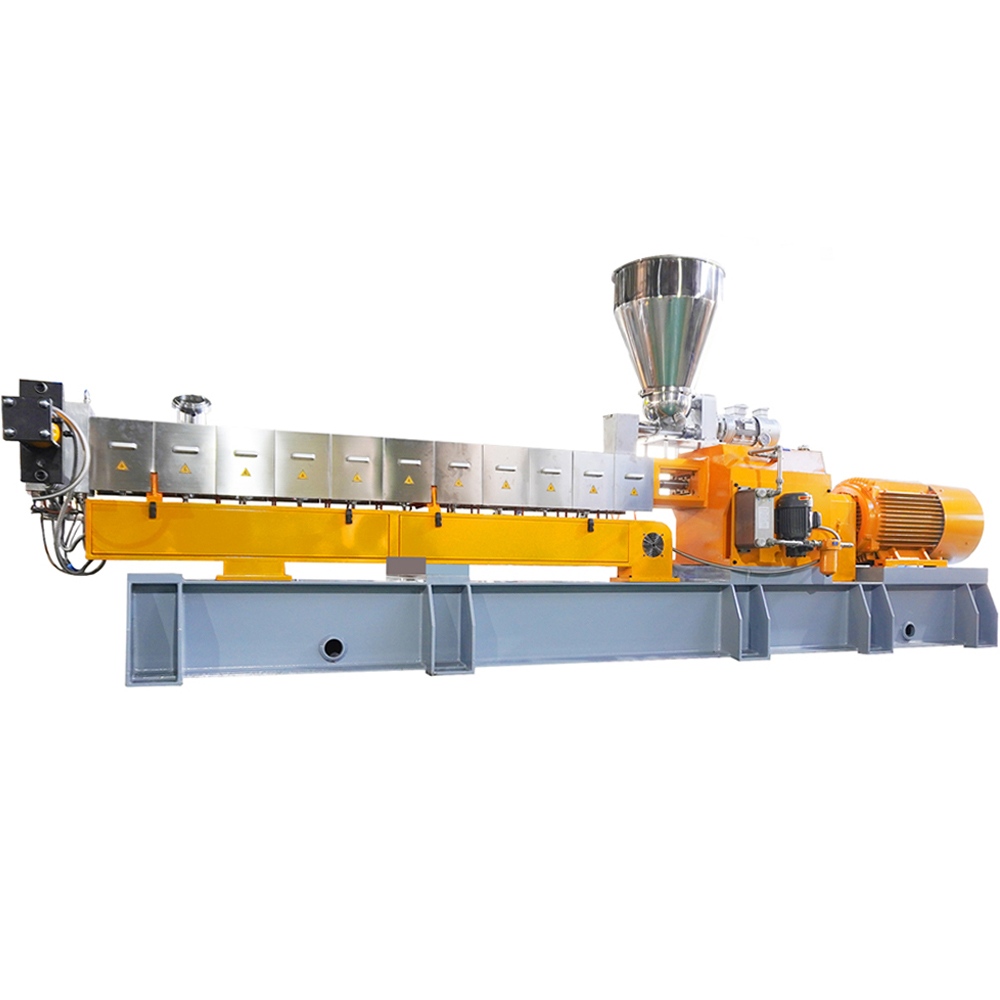
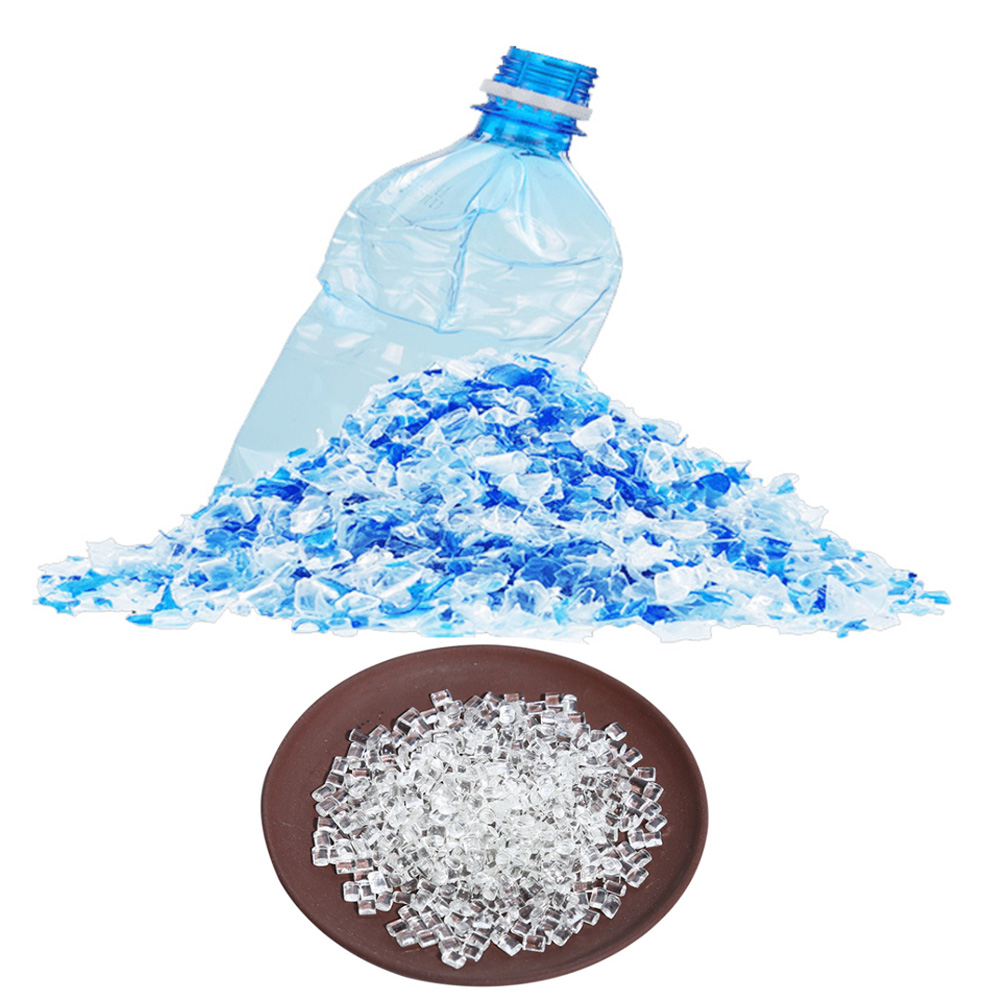
Cleaning and crushing line + twin-screw extruder(L/D 40:1 or 44:1)+ water cooling and cutting system, to produce PET particles for easy secondary use.
This process can efficiently remove impurities, stabilize melt quality, ensure uniform particle size, and a moisture content of less than 50ppm, meeting the stringent requirements of downstream injection molding and sheet extrusion.
At the same time, the vacuum devolatilization section can deeply remove moisture and low molecular weight volatiles, avoiding the decrease in intrinsic viscosity caused by high-temperature degradation.
Combined with an online melt filtration system, it can intercept over 99.8% of micron-level impurities.
- Is manual sorting required before cleaning?
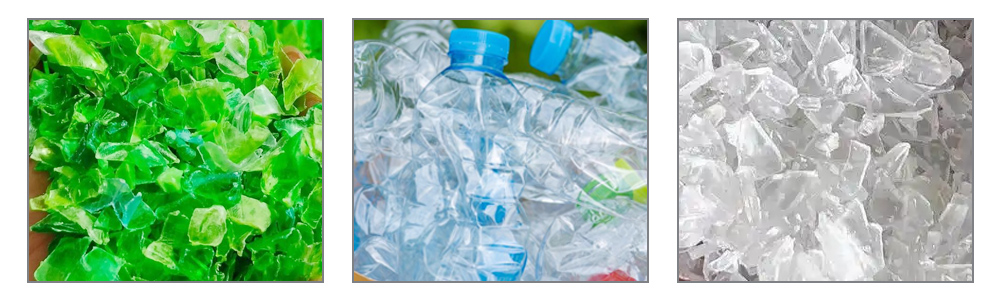
Manual operation is required: bottles made of materials such as PP, PE, PET, etc., with different waste sources need to be collected together, and different materials need to be selected and classified.
PET drinking water bottle caps, commonly made of PP, usually require manual removal.
- What should be noted during the extrusion process?
To prevent PET particles from having bubbles and yellowing, it is recommended to choose a twin-screw and an effective vacuum system.
- Can food-grade PET still be used for food after recycling?
No, food-grade bottles are commonly used in the production of packaging materials after being recycled into granules.
For example: packing straps, brooms, industrial product packaging, and so on.