Thermoplastic Elastomers

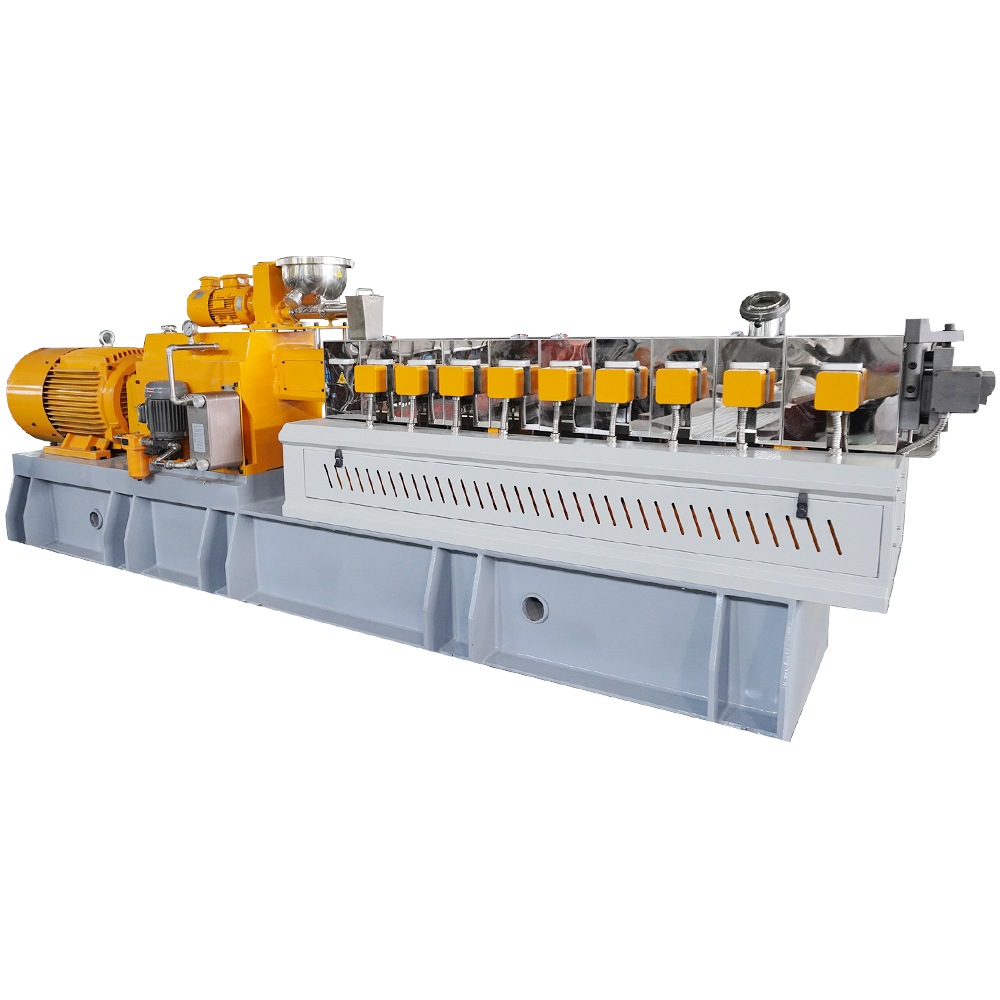
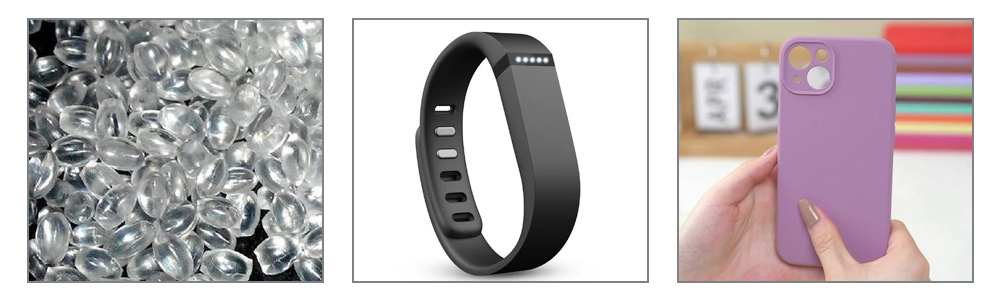
Thermoplastic elastomers are used for medical consumables, automotive parts, shoe materials, sports equipment, etc. Our extruder has precise temperature control, reducing yellowing and bubbles. Help you reduce costs and increase efficiency, and ensure stable production of high-quality materials.

             INQUIRE NOW
Product Parameters
Type L/D Main Power(kw) Screw Diameter(mm) Screw Speed (rpm) Output(kg/h)
MT20 40~48:1 4 21.7 600 5~20
MT36 48~60:1 22 35.6 600 70~120
MT50 48~60:1 75 50 600 150~250
MT65 48~60:1 90 62.4 600 250~450
MT75 48~60:1 132 71 600 500~650
MT95 48~60:1 250 93 600 700~1000

Types Of Thermoplastic Elastomers

TPE is a general term for thermoplastic elastomers, classified as follows:
Styrene-based styrene (TPS/SBC): There are SBS, SIS, SEBS, SEPS, which are common TPRs


TPU Product price

Alkenes: TPO, TPV
Aminoesters (TPU): a separate category, TPU is divided into aromatic and aliphatic categories.
Other categories: Dienes (TPB, TPI), Chloroethylene (TPVC, TCPE), Esters (TPEE), Amides (TPAE), Organic Fluorines (TPF), etc.


Process Technology Of Elastomers

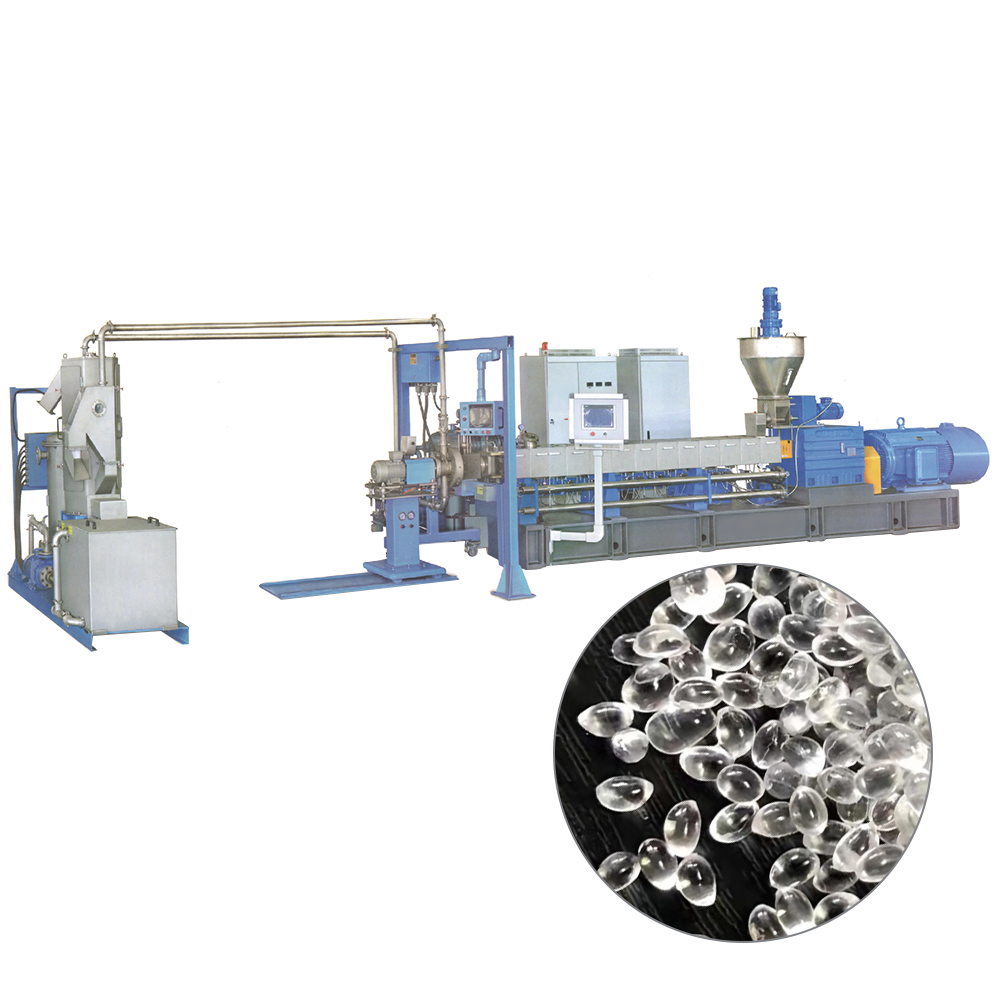
SEBS granulation: refers to the process of blending SEBS resin with oil, fillers, additives, etc., and then extruding and cutting them into thermoplastic elastomer (TPE) particles through a twin-screw extruder.

  • Pre-mixing of raw materials: Mix SEBS (such as YH-503, YH-602, etc.), cyclic oil/white oil (with an oil filling ratio of 1:0.8~1.5), polypropylene (PP, used for hardening), antioxidant (such as 1010/168), lubricant or filler, etc., evenly in a high-speed kneading machine according to the formula.
  • Melt extrusion: The mixture is fed into a twin-screw extruder (L/D 52~60:1), and the melting section temperature is usually 160-250 ℃ (adjusted according to the brand and oil content). The screw speed is 200-500 rpm to ensure sufficient plasticization, dispersion, and devolatilization.
  • Granulation method: The mainstream methods are the Water strand pelleting system or the underwater system (especially for medical/high transparency requirements), followed by dehydration and drying after cutting

TPU granulation: Common melting temperature between 150-250 ℃, L/D(48~56:1)

  • TPU>A 65 °: use the Water strand pelleting system, which needs to be paired with an industrial chiller to maintain a low temperature
  • TPU irrigation: It is recommended to choose a high torque extruder, L/D(56~60:1), with no need for vacuum exhaust, equipped with an underwater pelletizing system to maintain low water temperature.


TPU and TPR are extremely sensitive to temperature and shear force. Temperature fluctuations exceeding 2 ℃ may lead to melt decomposition and uneven bubbles, resulting in decreased elasticity and excessive color difference of the finished product.

Choosing excellent extruders and factories with extruder experience is crucial.

Whether you are a research and development team seeking breakthroughs in material performance or a manufacturing enterprise, we can be your most reliable extruder partner.

Contact Us