Types Of 3D Filaments
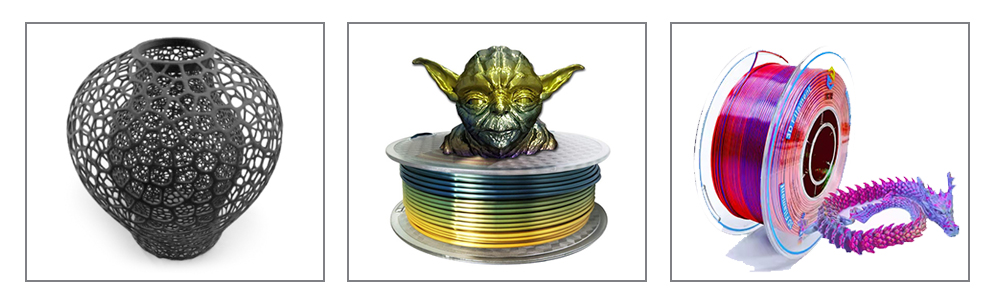
Desktop creative player: PLA basic filament material is easy to pick up, with low warp and low probability of clogging, compatible with the vast majority of entry-level FDM printers.
Professional design and mold development: ABS and PETG industrial-grade silk materials, with strength standards, impact resistance, and suitable high-temperature resistance characteristics, helping you shorten the research and development cycle.
Special function customization: PEEK material, used for medical implants, aerospace lightweight parts; Water-soluble support PVA filament material solves the removal problem of complex hollow structure printing; Flexible TPU filament material, printed with silicone texture for protective gear, gaskets, and more.
3D Filament Extrusion Process
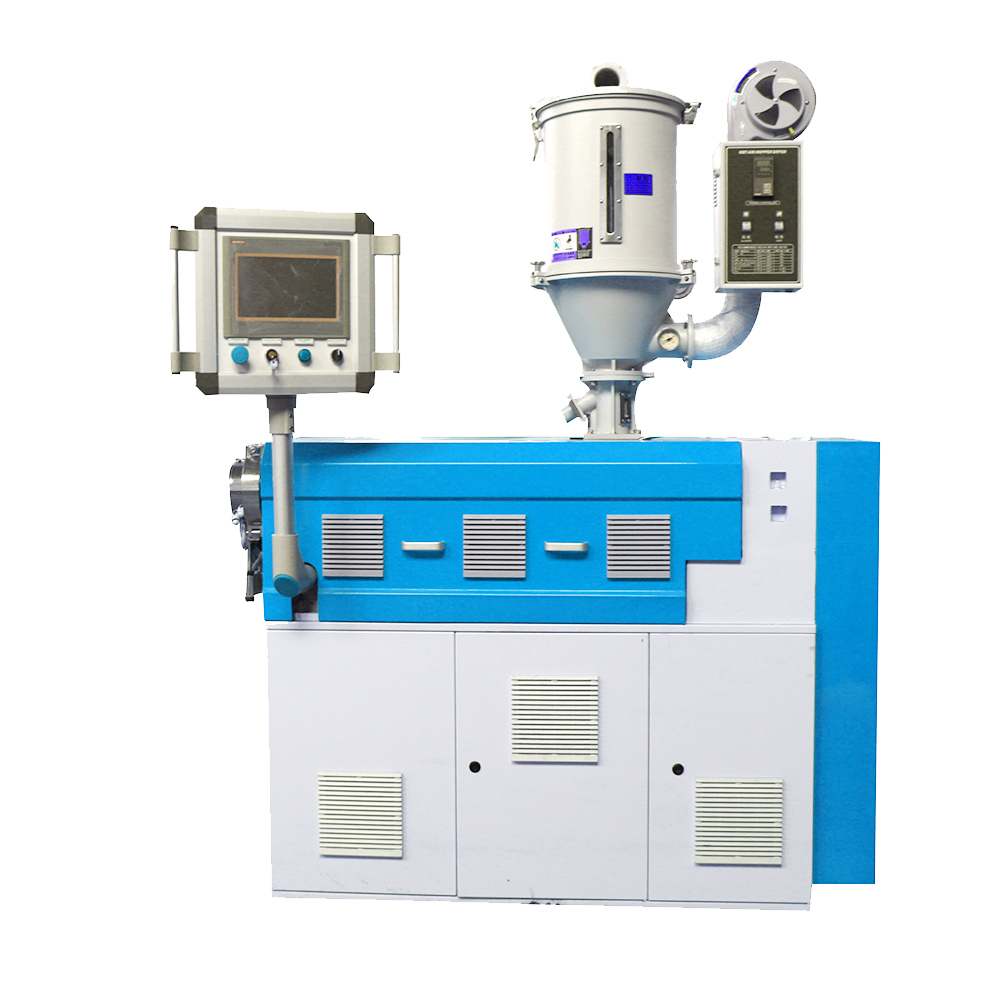
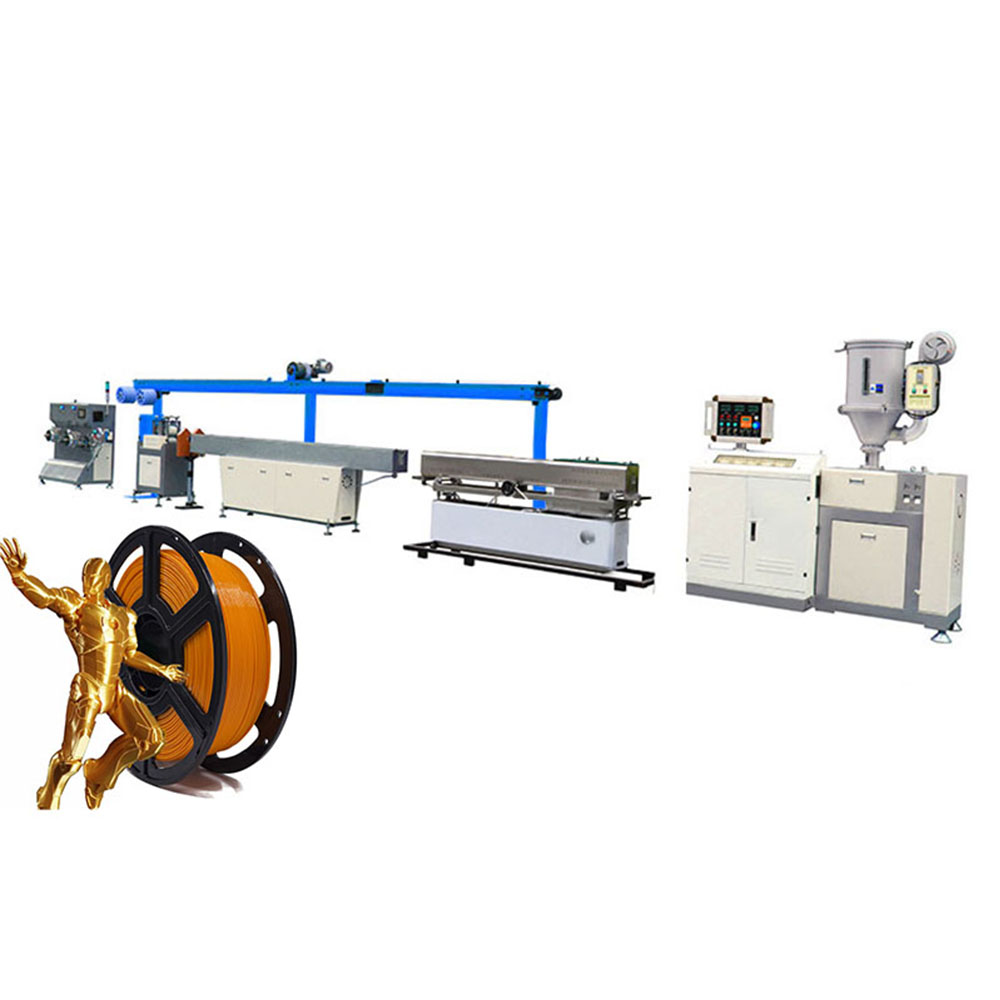
3D printing filament extrusion generally uses a single screw extruder, and the screw is functionally divided into three sections, each of which undertakes different tasks.
- The first stage is the feeding section, where the depth of the screw groove is the maximum. Drive solid particles to be transported forward at a constant speed, while compacting the raw materials and discharging the air between the particles.
- The second stage is the compression melting section, where the depth of the spiral groove gradually becomes shallower. The combined effect of electric heating outside the barrel and shear heat generated by screw rotation causes solid particles to slowly melt into a viscous melt.
- The third stage is the homogenization measurement section, where the depth of the screw groove remains stable, a stable extrusion pressure is established, and the amount of molten material extruded per unit time is stable. This is the core condition for controlling the uniformity of the wire diameter.
- The machine head is equipped with a circular die corresponding to the diameter of the material. For 1.75mm 3D printing filament, the die diameter will be adjusted to the appropriate size according to the extrusion expansion rate and traction stretch ratio, ensuring that the diameter of the cooled material after extrusion meets the tolerance requirements.
- Generally, water cooling is used for shaping, entering a constant temperature cooling water tank to control the cooling water temperature and cooling length, to evenly cool and solidify the wire material. The temperature of the cooling water also needs to be controlled. Cooling too quickly can cause internal stress in the wire material, which can easily lead to warping and deformation during subsequent printing; If the cooling is too slow, the silk material cannot be completely cured and is prone to deformation during winding.
- After cooling, the surface moisture is dried by a wind knife and enters the laser caliper for real-time monitoring of tolerances. Finally, the high-speed winding machine is used for neat winding
Only by controlling the plasticizing temperature, extrusion pressure, traction speed, and cooling rate can high-quality 3D printing filaments with small tolerances and high precision be produced, meeting the needs of high-precision printing
—
Whether it’s beginners, using PLA filament, heat-resistant and impact-resistant engineering-grade ABS/ASA filament, or high-strength and weight-reducing carbon fiber reinforced PETG filament, our extruder is capable of handling them all.
At the same time, we participate in the research and development of materials, which gives us more confidence in aerospace and medical raw materials, and can also meet your 3D filament research and development needs.