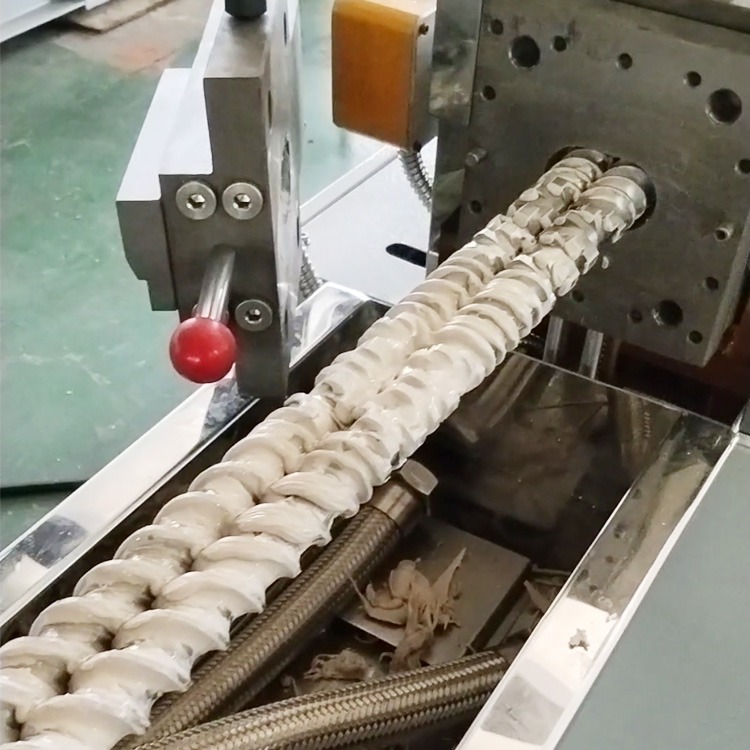
how to clean the screws of a twin screw extruder? 1 ultimate move
Knowing how to clean the screws of a twin screw extruder is not just about cleanliness; it is about protecting your investment. Improper cleaning leads to cross-contamination, black speck defects, and, in worst-case scenarios, mechanical seizure of the screws within the barrel.
In the world of polymer compounding and masterbatch production, the twin screw extruder is the workhorse of high-shear mixing. However, the very complexity that makes these machines so effective—segmented screw elements, kneading blocks, and tight tolerances—also makes them notoriously difficult to maintain.
This guide details the specialized procedures required for cleaning modular twin screw systems.
The Unique Challenges of Twin Screw Cleaning
Unlike single screws, twin screw extruders (particularly co-rotating systems) feature intermeshing flights and specialized mixing zones.
- Material Traps:Degraded polymer easily hides in the “kneading blocks” and “reverse flight” elements.
- Modular Design:Twin screws are often made of many individual segments slid onto a splined shaft. If polymer leaks between these segments and carbonizes, the screw becomes “frozen” and impossible to disassemble.
Step-by-Step Cleaning Strategies
1. The “In-Situ” Purge (For Color & Grade Changes)
For minor transitions, a high-performance purging compound is the first line of defense.
- The Process:Use a “mechanical-chemical” hybrid purge. The chemical component breaks the polymer bonds, while the mechanical filler provides the scrubbing action needed in high-shear zones.
- Tip:Run the extruder at varying speeds during the purge to create “turbulence” within the mixing blocks, ensuring the compound reaches all intermeshing surfaces.
2. The “Hot Pull” & Manual Cleaning (For Deep Maintenance)
When the material is highly heat-sensitive or a complete teardown is required, a manual “hot pull” is necessary.
- Safety First:Ensure all PPE (thermal face shields and Kevlar gloves) is worn.
- Push the Screw:While the machine is still at operating temperature, use the screw-pushing tool to move the assembly forward.
- Clean in Sections:As the screw emerges from the barrel, immediately clean it using brass or copper scrapers.
- Element Removal:If the screw is segmented, remove elements from the shaft while they are still hot. Use a specialized “element puller” to avoid damaging the splined shaft.
3. Specialized Thermal Cleaning (The “Gold Standard”)
For modular elements that are heavily encrusted with glass-filled resins or high-temperature engineering plastics (like PEEK or PPS), manual scraping is often insufficient.
- Fluidized Bed Cleaning:This is the safest method for twin screw elements. Elements are placed in a bath of heated, aerated aluminum oxide. The heat pyrolyzes the plastic, and the moving particles gently scrub the geometry without rounding the sharp edges of the kneading blocks.
- Vacuum Pyrolysis:Effective for cleaning the internal splines of the elements where manual tools cannot reach.
4.All of the above will gradually be phased out with the advent of AI technology.
- Fully automatic and high-pressure cleaning is the best solution for the future.
- Suitable for all raw materials: PEEK, PPS color masterbatch, TPU, PP, PE, PLA, PET, etc.
- Can clean: Injection screw, single screw, double screw, screw element, filter screen plate, die head, etc.
- Compared with the labor costs, the price of the fully automatic cleaning machine is lower and it has more advantages.
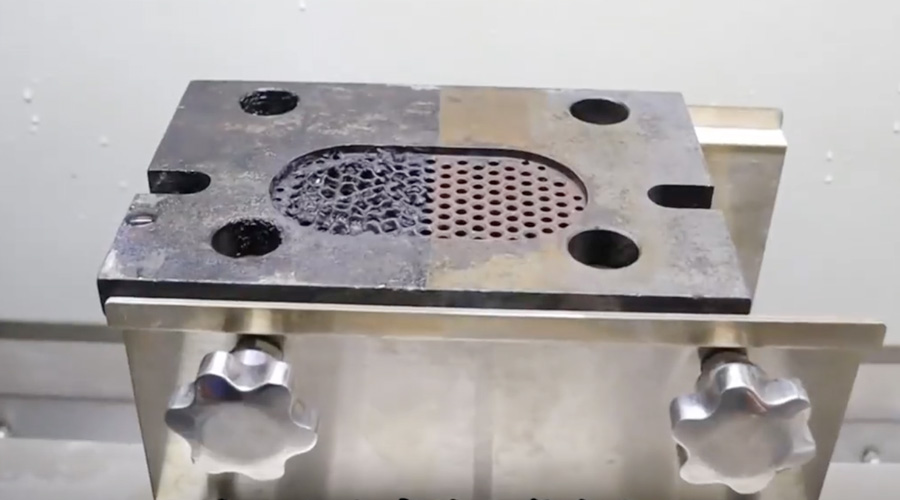
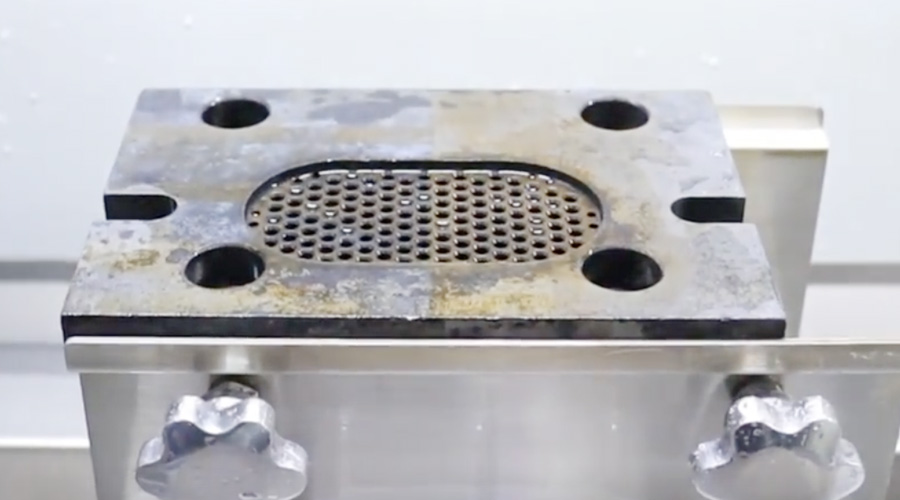
Cleaning Comparison: Kneading Blocks vs. Conveying Elements
| Element Type | Difficulty | Recommended Method | Why? |
| Conveying Elements | Low | Manual Scrape / Purge | Open flights are easy to access. |
| Kneading Blocks | High | Fluidized Bed / Ultrasonic | Tight gaps trap degraded resin easily. |
| Mixing/Reverse Elements | Very High | Thermal Pyrolysis | Complex geometry makes manual scraping risky. |
Pro-Tips for Twin Screw Longevity
- The “Spline Lubricant” Secret:Before reassembling screw segments onto the shaft, apply a high-temperature, food-grade anti-seize lubricant to the splines. This prevents “polymer migration” from locking the segments onto the shaft.
- Never Use a Blowtorch:Direct flame can cause localized overheating, which changes the metallurgy of the screw (tempering), leading to softening and rapid wear.
- Check the Barrel “Apex”:When the screws are out, always inspect the “apex” (the figure-8 intersection) of the barrel. This is a common spot for carbon buildup that can “flake off” into your product.
Conclusion
Mastering how to clean the screws of a twin screw extruder is a critical skill for any high-performance compounding facility. By combining high-quality purging compounds for daily use with professional thermal cleaning for element teardowns, you ensure maximum throughput and zero-defect quality.
The high-pressure automatic cleaning machine is independently developed by MQ. It protects the screw, saves time and labor, and is suitable for color masterbatch factories, etc.
Do You Need High-Performance Twin Screw Elements or Maintenance Tools?
We specialize in the manufacture of wear-resistant twin screw segments, splined shafts, and barrel liners compatible with major global brands. Enhance your extrusion efficiency with our precision-engineered components. Contact us for a technical consultation!