Polyurethane Resin: The Ultimate Guide to Applications, Benefits, and Innovations
In the high-stakes world of industrial manufacturing and product design, the demand for materials that combine durability, flexibility, and chemical resistance is ever-growing. Standing at the forefront of this material revolution is polyurethane resin (often abbreviated as PU resin).
From the glossy, scratch-resistant coatings on luxury automobiles to the heavy-duty floors of pharmaceutical plants and the precise molds used in rapid prototyping, polyurethane resin has become a cornerstone of modern engineering. This article provides a comprehensive deep dive into what polyurethane resin is, its diverse types, and why it is often preferred over other polymer options.
What is Polyurethane Resin?
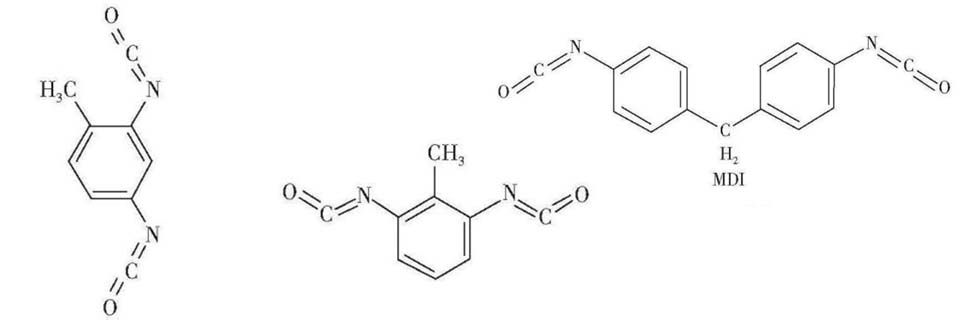
Polyurethane resin is a versatile synthetic polymer created through the chemical reaction between a polyol (an alcohol with multiple hydroxyl groups) and a diisocyanate or polyisocyanate. This reaction forms a thermosetting material that, once cured, creates a robust, cross-linked molecular structure.
The beauty of PU resin lies in its “tunability.” By adjusting the specific types of isocyanates and polyols used, manufacturers can create a spectrum of materials—ranging from soft, rubber-like elastomers to incredibly hard, rigid plastics.
Key Benefits of Polyurethane Resin
What makes polyurethane resin a “gold standard” in so many industries? Its physical and chemical properties offer several distinct advantages:
- Exceptional Durability and Wear Resistance: PU resins are famous for their high abrasion resistance, making them ideal for heavy-traffic flooring and machinery parts.
- Chemical and Environmental Resilience: Once cured, polyurethane resin is highly resistant to oils, solvents, fats, and UV radiation, ensuring long-term stability in harsh outdoor or industrial environments.
- Superior Adhesion: It bonds exceptionally well to various substrates, including metal, wood, concrete, and other plastics, which is why it is widely used in high-performance adhesives and sealants.
- Versatile Mechanical Properties: It can be formulated to be flexible (allowing for impact absorption) or rigid (providing structural strength), often with high tensile and tear strength in both forms.
- Rapid Curing Times: Compared to some epoxy systems, many polyurethane resins offer faster demold times, increasing production efficiency in casting and molding operations.
Primary Applications Across Industries
The adaptability of polyurethane resin has led to its widespread adoption across several critical sectors:
1. Industrial and Commercial Coatings
PU resins are the primary ingredient in high-performance floor coatings. Because they are seamless, easy to clean, and resistant to chemical spills, they are the preferred choice for hospitals, food processing plants, and warehouses.
2. Casting and Prototyping
In the world of “vacuum casting” and rapid prototyping, PU resins allow engineers to create high-fidelity parts that mimic the properties of injection-molded plastics without the high cost of metal tooling. This is vital for automotive design and consumer electronics testing.
3. Automotive and Aerospace
Beyond coatings, polyurethane resin is used to manufacture bushings, seals, gaskets, and interior components. Its ability to withstand vibration and temperature fluctuations makes it indispensable for vehicle longevity.
4. Construction and Infrastructure
Used in everything from high-strength adhesives to specialized sealants for bridge joints and building envelopes, PU resin ensures that structures remain watertight and structurally sound for decades.
Comparison: Polyurethane Resin vs. Epoxy vs. Polyester
Choosing the right resin is critical for project success. Here is how polyurethane stacks up against its main competitors:
| Feature | Polyurethane (PU) Resin | Epoxy Resin | Polyester Resin |
| Flexibility | High to Very High | Low (Brittle) | Low |
| Cure Speed | Fast (Variable) | Slow to Medium | Fast |
| UV Resistance | Excellent (Aliphatic types) | Poor (Tends to yellow) | Moderate |
| Impact Resistance | Outstanding | Moderate | Low |
| Shrinkage | Very Low | Minimal | Alto |
| Cost | Moderate | Alto | Low |
Types of Polyurethane Resins
To select the right material, it is important to understand the two main categories of PU resin systems:
- Rigid Polyurethane Resins: Used for structural parts, electronic potting, and hard-shell castings. They offer high compressive strength and dimensional stability.
- Flexible Polyurethane Resins (Elastomers): Used for gaskets, wheels, soft-touch handles, and shock absorbers. They can be stretched or compressed and will return to their original shape.
- Water-Based Polyurethane (PUDs): Increasingly popular for coatings due to their low VOC (Volatile Organic Compound) content, making them more environmentally friendly and safer for indoor application.
Safety and Best Practices for Handling PU Resin
While highly effective, polyurethane resin requires professional handling to ensure safety and quality:
- Moisture Sensitivity: Uncured PU resins are highly sensitive to moisture. Even a small amount of humidity can cause the resin to bubble or “foam” during the reaction. Always store containers tightly sealed and work in a climate-controlled environment.
- Ventilation and PPE: Isocyanates can be respiratory irritants. Always work in well-ventilated areas and wear appropriate PPE, including gloves, safety goggles, and respirators if necessary.
- Mixing Ratios: Unlike some materials that allow for “estimations,” PU resins require precise weight or volume ratios to ensure the chemical reaction completes correctly.
Conclusion: The Future of Polyurethane Resin
As we look toward the future of manufacturing, polyurethane resin continues to evolve. Innovations in bio-based polyols (derived from renewable oils) are making PU resins more sustainable, while new formulations are pushing the limits of heat resistance and electrical insulation.
Whether you are looking for a protective coating that lasts a lifetime or a casting material for your next breakthrough prototype, polyurethane resin provides the versatile, high-performance solution required for 21st-century engineering.
Do you need a customized polyurethane resin formulation for your industrial project?
Contact our expert material consultants today to get a technical consultation and find the perfect resin system to elevate your product’s performance and durability.