Plastic Raw Materials Machinery: The Engine of Global Polymer Manufacturing
The global plastics industry is a multi-trillion-dollar sector that underpins everything from medical devices to automotive engineering. However, the bridge between raw chemical resins and finished consumer products is built on one critical foundation: plastic raw materials machinery.
High-performance plastic raw materials machinery is responsible for melting, mixing, shaping, and cooling polymers with microscopic precision. As manufacturing demands shift toward higher efficiency and sustainability, understanding the different types of machinery and their roles in the production cycle is essential for any competitive enterprise.
What is Plastic Raw Materials Machinery?
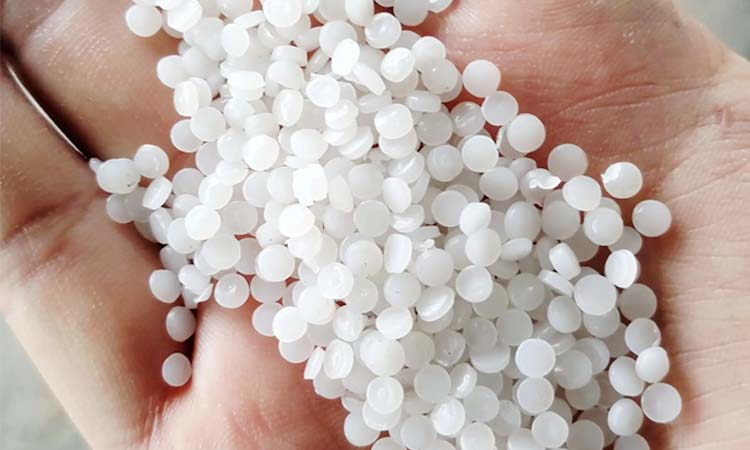
Plastic raw materials machinery encompasses a broad range of industrial equipment designed to process raw polymers—usually in the form of pellets, powders, or granules—into semi-finished or finished products.
These machines utilize heat, pressure, and mechanical force to alter the physical state of the plastic. Because different polymers (like PE, PP, PVC, and specialty engineering resins) have varying melting points and rheological properties, the machinery must be highly specialized and precisely calibrated.
Core Types of Machinery in the Plastics Industry
To achieve various product shapes and functions, the industry relies on several primary categories of equipment:
1. Extrusion Machinery
Extrusion is the workhorse of the industry. These machines force molten plastic through a die to create continuous profiles.
- Applications: Pipes, tubing, window frames, plastic sheets, and cables.
- Key Component: The extruder screw, which provides the shear and heat necessary for melting.
2. Injection Molding Machines
Injection molding is the most common method for producing discrete, complex parts in high volumes.
- Applications: Automotive dashboards, medical syringes, bottle caps, and electronic housings.
- Process: Molten plastic is “injected” at high pressure into a precision-machined metal mold.
3. Pelletizing and Compounding Systems
Before a manufacturer can make a finished product, the raw resin often needs to be “compounded” with additives, colors, or reinforcements.
- Function: These machines melt the raw resin, mix it with additives, and then “pelletize” it into uniform beads for easier transport and use in secondary machinery.
4. Blow Molding Machinery
Specifically designed for creating hollow plastic parts.
- Applications: Plastic bottles, fuel tanks, and large containers.
- Process: A heated plastic tube (parison) is inflated inside a mold until it takes the mold’s shape.
Technical Comparison: Machinery at a Glance
| Machinery Type | Primary Function | Ideal Material Form | Typische Ausgabe |
| Extruder | Continuous Profile Shaping | Pellets / Powder | Pipes, Sheets, Films |
| Injection Molder | High-Precision Part Creation | Pellets | Gears, Cases, Medical Tools |
| Blow Molder | Hollow Object Production | Pellets | Bottles, Containers |
| Pelletizer | Material Homogenization | Raw Resin & Additives | Uniform Pellets |
| Shredder/Granulator | Material Recycling | Scrap Plastic | Regrind / Flakes |
Emerging Trends in Plastic Raw Materials Machinery
The next generation of plastic raw materials machinery is being defined by three major technological shifts:
1. Automation and Industry 4.0
Modern machines are now equipped with IoT sensors that monitor melt temperature, pressure, and motor torque in real-time. This data allows for predictive maintenance, reducing downtime and ensuring that every batch of plastic meets strict quality tolerances.
2. Energy Efficiency
Energy is one of the highest operational costs in plastic processing. Newer machinery utilizes servo-driven hydraulic systems and high-efficiency electromagnetic induction heaters, which can reduce energy consumption by up to 30-50% compared to legacy systems.
3. Recycling Integration
With the global push for a circular economy, machinery is being redesigned to handle high percentages of recycled regrind. Advanced filtration systems (like automatic screen changers) allow machines to process post-consumer plastics without damaging the equipment or compromising the final product’s structural integrity.
Selecting the Right Plastic Raw Materials Machinery
Choosing the right equipment depends on several critical factors:
- Material Compatibility: Does the machine’s screw and barrel metallurgy handle corrosive materials like PVC or abrasive materials like glass-filled nylon?
- Clamping Force / Throughput: Does the machine have the power to meet your production volume requirements?
- Precision and Repeatability: For medical or aerospace parts, the machine must be able to replicate the same dimensions across millions of cycles.
Conclusion: Investing in the Future of Production
The quality of your final plastic product is only as good as the plastic raw materials and machinery used to create it. As polymer science advances and environmental regulations tighten, the demand for smarter, faster, and greener machinery will continue to rise. By staying at the forefront of machinery innovation, manufacturers can ensure lower operational costs and a superior market position.
Looking for high-performance plastic raw materials, machinery, or custom processing solutions?
Contact our engineering team today to explore our catalog of industrial extruders, injection systems, and recycling lines designed to maximize your production ROI.
Note: The article is based on the Industry & Industrial Equipment Gazette