Wie reinigt man Extruderschnecken? Leitfaden zur industriellen Effizienz
In plastics processing, compounding, and masterbatch production, line efficiency and material purity are paramount. Yet one of the most common causes of unexpected downtime, color contamination, and product defects comes down to a fundamental question: How to clean extruder screws properly?
Over time, polymer resins, pigments, and additives degrade under continuous high temperatures, forming stubborn carbonized deposits along the flights and root diameter of the screw. Failing to establish a systematic screw cleaning procedure leads to black specks, slow material changeovers, and premature wear on both the screw and barrel.
In this comprehensive guide, we examine the main industrial methods for cleaning single- and twin-extruder screws, comparing speed, cost, and effectiveness.
Why Regular Screw Cleaning Is Critical
Neglecting extruder screw hygiene impacts both product quality and overall plant profitability:
- Eliminating Color and Resin Contamination: During color or material transitions (e.g., switching from dark ABS to clear Polycarbonate), residual polymer trapped in dead zones degrades and bleeds into new batches.
- Preventing Carbon Buildup: Thermally degraded polymer converts into hard carbonized scales. When these break free, they create rejected parts and can even score the precision-machined inner wall of the barrel.
- Maintaining Processing Throughput: Deposits inside screw flights alter the effective channel depth, disrupting melt pressure, mixing efficiency, and output consistency.
The 3 Main Methods to Clean Extruder Screws
Selecting the right cleaning protocol depends on your material type, machine configuration, and whether you are performing a quick color changeover or a complete teardown maintenance.
1. Chemical & Mechanical Purging Compounds (In-Situ Cleaning)
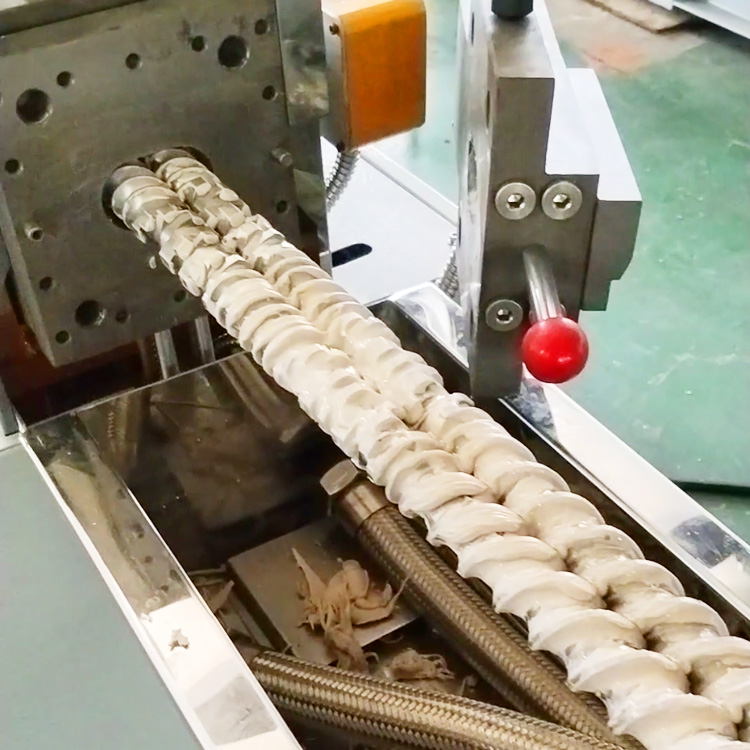
For routine color changes or short shutdowns, pulling the screw is inefficient. Purging compounds allow operators to clean the screw and barrel directly inside the machine.
- Commercial Purging Resins: These engineered compounds use chemical additives to break down degradation products and mechanical fillers (like soft calcium carbonate) to scrub flight surfaces.
- How It Works:
- Empty the hopper of standard processing resin.
- Increase temperature slightly according to purging compound specs.
- Feed the purging compound into the hopper at high screw speed to maximize shear force.
- Flush with clear resin until the purge is completely evacuated.
- Best For: Quick color shifts, daily maintenance, and end-of-shift sealing.
2. Manual Mechanical Scraping (Screw Pulled)
When carbon buildup is severe or when transitioning between incompatible polymers (e.g., PVC to Nylon), pulling the screw for manual cleaning is necessary.
- Step-by-Step Manual Process:
- Hot Pull: Pull the screw while it is still hot. Cold polymer locks the screw into the barrel and risks damaging the drive spline.
- Scraping: Immediately wrap the screw in brass mesh or use non-ferrous tools (brass or copper scrapers) to remove molten polymer. Never use hardened steel chisels or wire wheels, as they will scratch or chip protective nitrided/bimetallic coatings.
- Brushing: Apply a specialized high-temperature cleaning paste or brass wire brush to clean flight corners and mixing elements.
- Wiping: Wipe down with lint-free cotton rags while wearing heavy thermal-resistant gloves.
3. Thermal & Advanced Cleaning Systems (Offline)
For complex twin-screw elements, feed blocks, or heavily encrusted single screws, offline thermal cleaning systems offer hands-free restoration:
- Reinigung von Wirbelschichten: Suspends heated aluminum oxide sand around the screw. The heat pyrolyzes the polymer while the moving media gently scrubs elements without abrasive wear.
- Vacuum Pyrolysis Ovens: Decomposes residual polymers under vacuum and high heat, leaving only fine ash that is easily rinsed away with water or compressed air.
- Ultrasonic Bath Cleaning: Highly effective for small twin-screw segmented elements after thermal degradation.
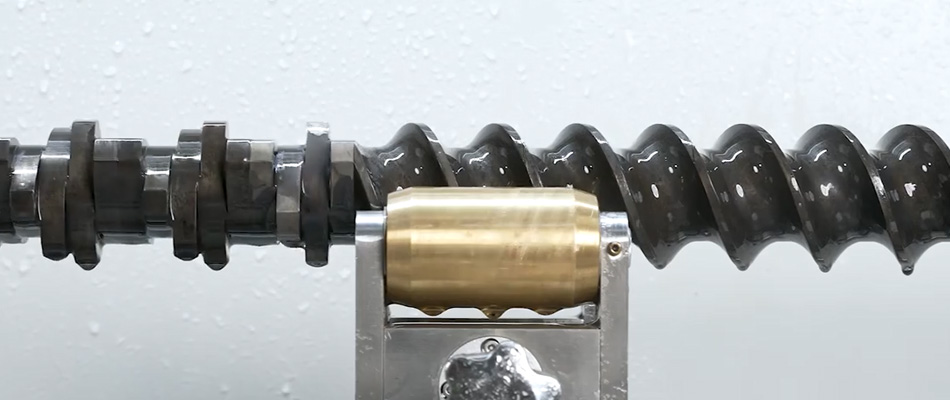
4. Fully automatic high-pressure cleaning equipment
MQ Extrusion: Involved in R&D and production. At a pressure of 250 MPa, we can thoroughly clean out materials—whether PA/PEEK with glass fiber or masterbatch—in an extremely short amount of time.
Without damaging the screw metal and coating, combined with the blow-drying system, it significantly reduces your time and labor costs.
Comparison: Extruder Screw Cleaning Methods
| Cleaning Method | Down-Time | Labor Intensity | Risk of Screw Damage | Deep Cleaning Ability |
| Purging Compound | Minimal (15–30 mins) | Very Low | None | Moderate (Surface layer) |
| Manual Scraping | High (2–6 hours) | Hoch | Moderate (If wrong tools are used) | Hoch |
| Fluidized Bed / Pyrolysis | High (Offline batch) | Niedrig | Very Low | Maximum (100% restored) |
Pro Tips to Extend Screw Life and Simplify Cleaning
- Never Use Steel Wire Brushes: Hard steel tools cause micro-scratches on screw flights. Polymer traps in these micro-grooves, accelerating future carbonization.
- Purge Before Shutdown: Always purge heat-sensitive polymers (like PVC or EVOH) with a stable carrier resin (like HDPE or a specialized purging material) before turning off barrel heaters.
- Inspect for Wear: When the screw is pulled for manual cleaning, measure the flight outer diameter with a micrometer to track radial clearance wear against barrel specs.
Fazit
Knowing how to clean extruder screws effectively is the bridge between frequent defect-related scrap and smooth, predictable production. By combining daily purging practices with periodic manual or thermal cleaning, processors can maximize machine output, protect expensive screw coatings, and maintain flawless product quality. It is not recommended to use fire, chemical deodorants, or steel brushes.
Looking for Precision Extrusion Equipment and Custom Components?
We engineer high-performance extrusion barrels, custom screws, and processing accessories designed for easy maintenance and maximum durability. Contact our technical engineering team today to optimize your extrusion setup!