Screw Pumps for Plastic: High-Performance Melt Delivery Systems
In the precision-driven world of polymer extrusion and chemical processing, maintaining a steady, pulsation-free flow of molten plastic is the difference between a high-quality product and costly industrial waste. While gear pumps are common, the use of specialized screw pumps for plastic has become an essential technology for handling highly viscous, shear-sensitive, and abrasive materials.
As manufacturers push for higher throughput and more complex material compositions, understanding the role of screw pumps in the plastic production cycle is vital for operational success.
What are Screw Pumps for Plastic?
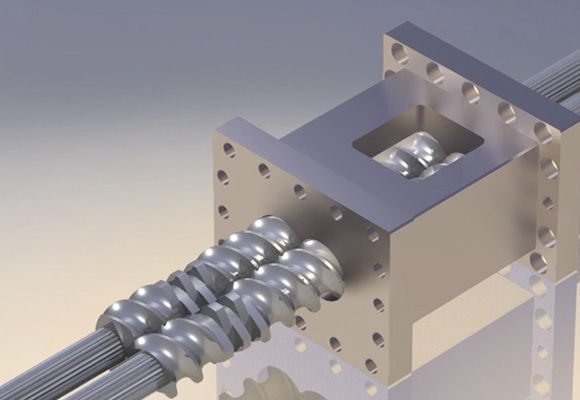
Screw pumps for plastic (often referred to as melt pumps or screw-type transfer pumps) are positive displacement pumps that use one or more rotating screws to move molten polymer along the screw axis.
Unlike standard water pumps, these are engineered to handle the extreme temperatures (up to 350°C+) and high pressures (up to 300+ bar) required to keep plastic in a molten state while pushing it through dies and filtration systems.
Types of Screw Pumps Used in Polymer Processing
The choice of pump configuration depends heavily on the specific “melt flow” characteristics of the polymer being processed:
1. Single-Screw Pumps
Commonly used for simple transfer tasks where steady pressure is required. These are often integrated directly into the discharge end of a single-screw extruder to stabilize the output before the material enters the die.
2. Twin-Screw Pumps (Multi-Screw)
These pumps offer superior self-priming capabilities and are excellent for handling non-Newtonian fluids (fluids whose viscosity changes under stress). They provide high volumetric efficiency and are often used in the production of:
- High-viscosity adhesives
- Recycled plastic melts with varying consistencies
- Chemically aggressive polymer additives
Why Use Screw Pumps in Plastic Extrusion?
Integrating a screw pump for plastic into your production line offers three primary technical advantages:
1. Pressure Stabilization
Extruders often suffer from “surging”—minor fluctuations in output pressure. A screw pump acts as a buffer, absorbing these surges and delivering a perfectly constant flow to the die. This ensures uniform wall thickness in pipes, films, and profiles.
2. Temperature Control
Because screw pumps move material through mechanical displacement rather than high-speed friction, they generate less “shear heat.” This is critical for processing thermally sensitive plastics like PVC or certain bio-plastics that might degrade if overheated.
3. Increased Extruder Longevity
By using a pump to build the final pressure required for the die, the extruder itself can operate at lower pressures. This reduces wear and tear on the extruder’s screw and barrel, significantly extending the time between expensive overhauls.
Screw Pump vs. Gear Pump: A Brief Comparison
| Feature | Screw Pumps for Plastic | Traditional Gear Pumps |
| Viscosity Range | Excellent for ultra-high viscosity | Good for medium to high viscosity |
| Shear Sensitivity | Very Low (Gentle handling) | Moderate |
| Abrasive Handling | Good (With hardened coatings) | Poor (Gears can wear quickly) |
| Flow Consistency | Highly Linear | Highly Linear |
Key Maintenance for Industrial Screw Pumps
To ensure your screw pumps for plastic maintain peak performance, a proactive maintenance schedule is required:
- Seal Inspection: High-temperature polymer seals must be checked for “weeping” to prevent plastic buildup and carbonization.
- Heating Element Verification: Ensure all heater bands are functioning correctly; cold spots in the pump can lead to “slugs” of un-melted plastic that can damage the internal screws.
- Material Purging: When shutting down, always use a specialized purging compound to prevent the plastic from “freezing” inside the pump and causing a startup seizure.
The Future: Smart Pumping Systems
In 2026, the leading manufacturers of screw pumps for plastic are integrating IoT sensors that monitor torque, pressure, and temperature in real-time. These “Smart Pumps” can predict when a bearing might fail or when a screw is becoming worn, allowing for “Predictive Maintenance” that eliminates unscheduled downtime.
Conclusion
Whether you are compounding engineering plastics or recycling post-consumer waste, the screw pump for plastic is a silent but critical partner in your production line. By providing pressure stability, reducing thermal stress, and handling difficult materials with ease, these pumps are the key to high-yield, high-quality polymer manufacturing.
Do you need a technical quote for a high-pressure screw pump for your plastic extrusion line?
Our engineering experts specialize in custom melt delivery solutions designed to increase your production efficiency. Contact us today to discuss your material specifications and get a customized performance analysis!